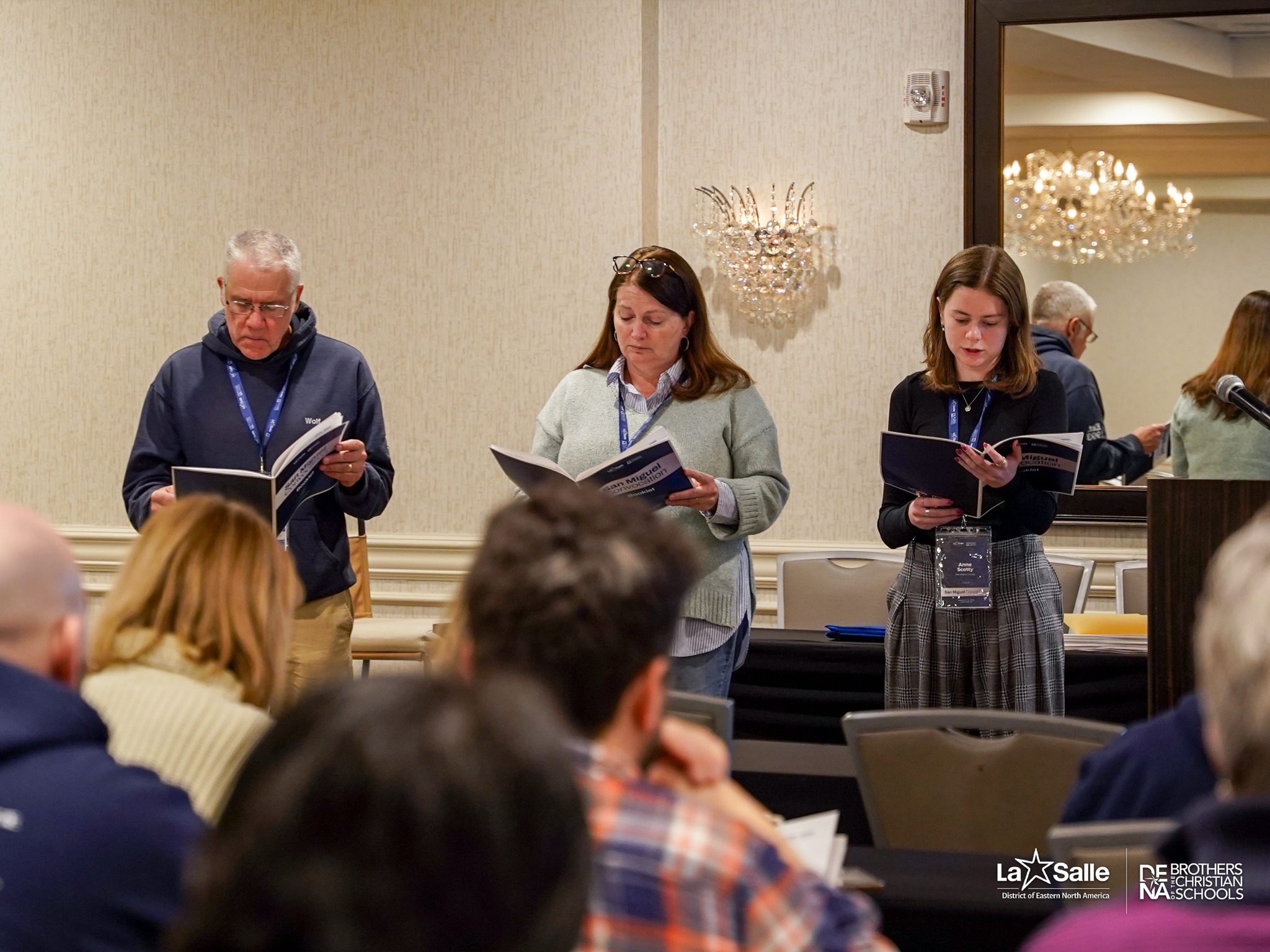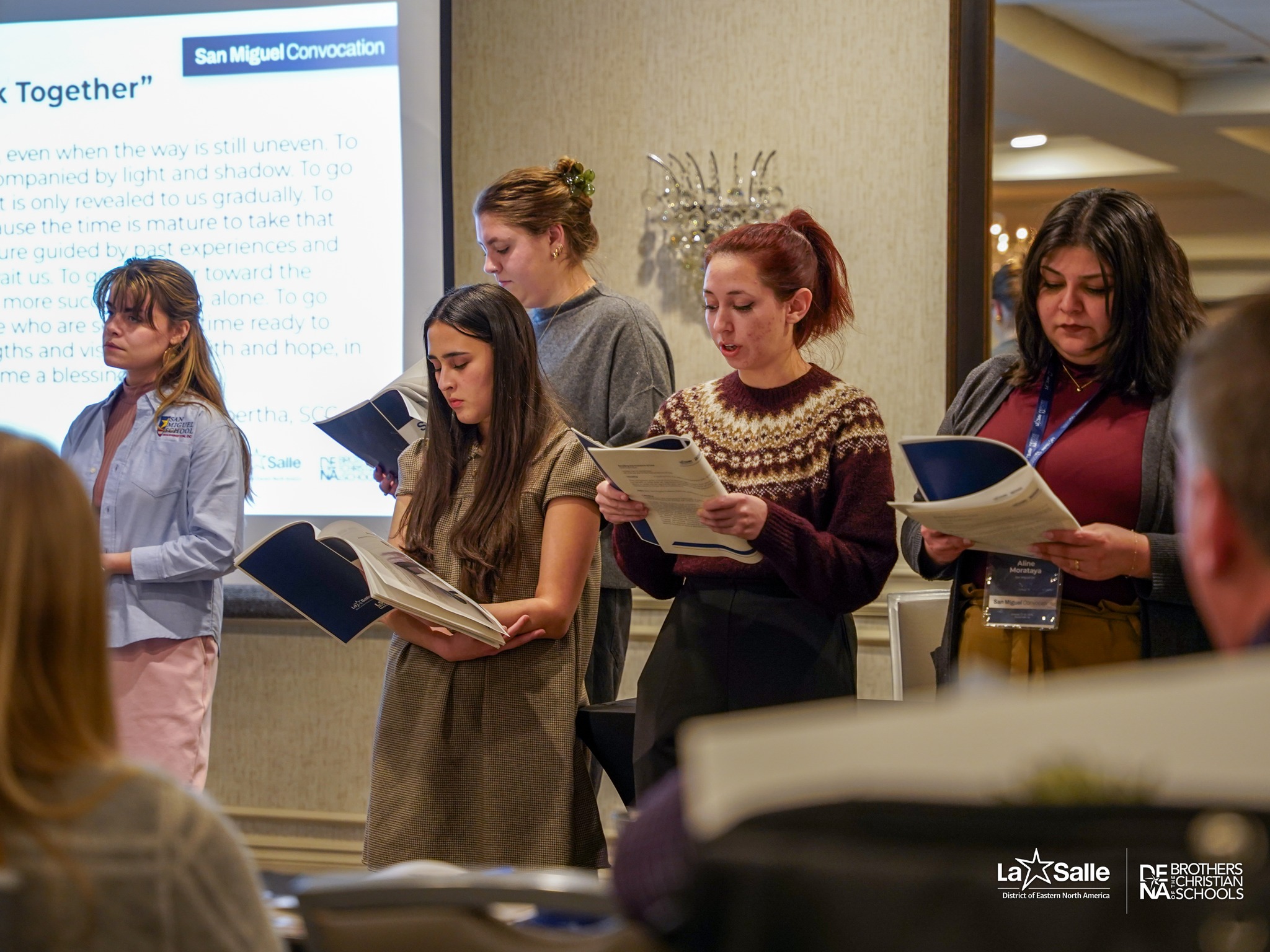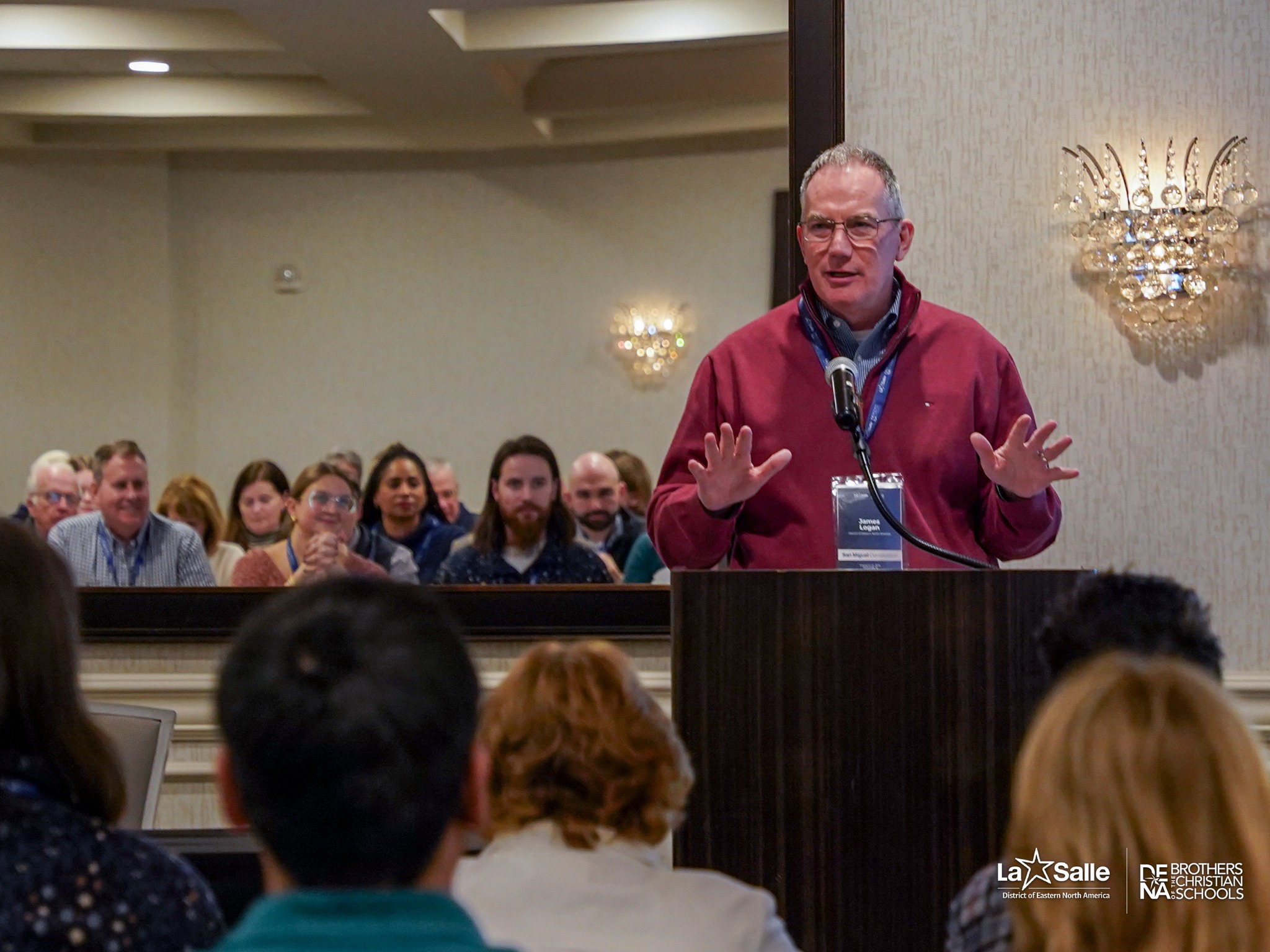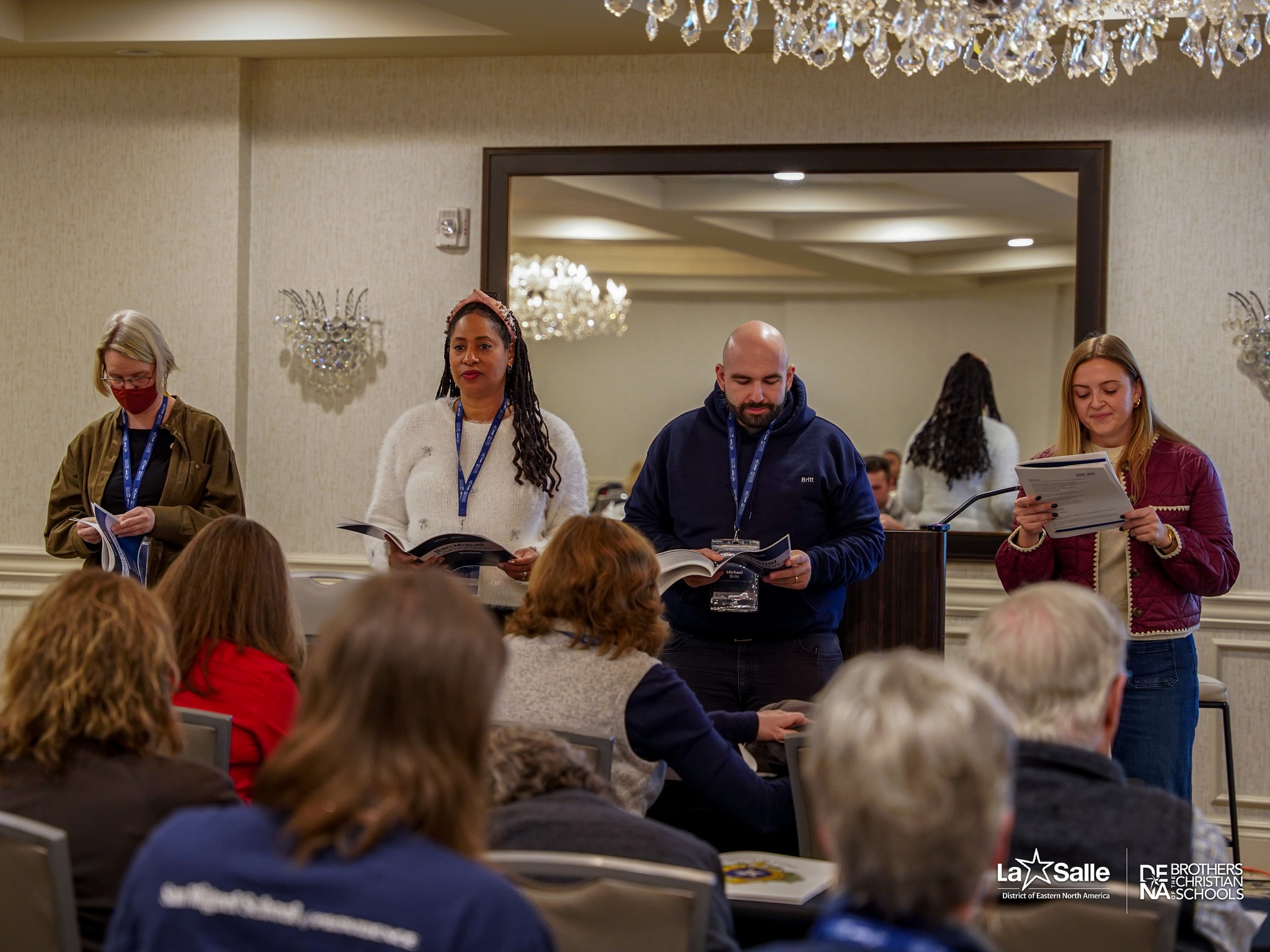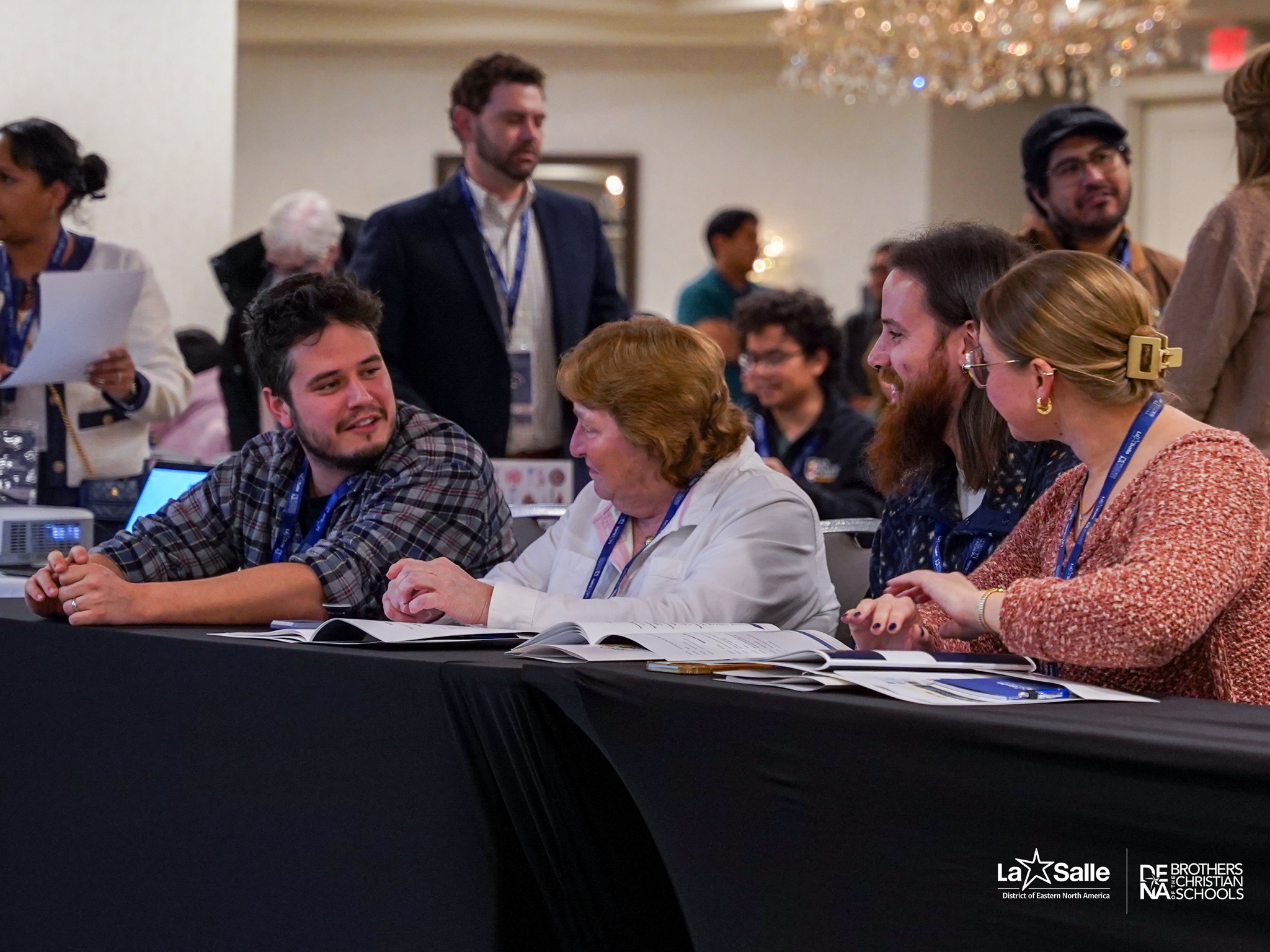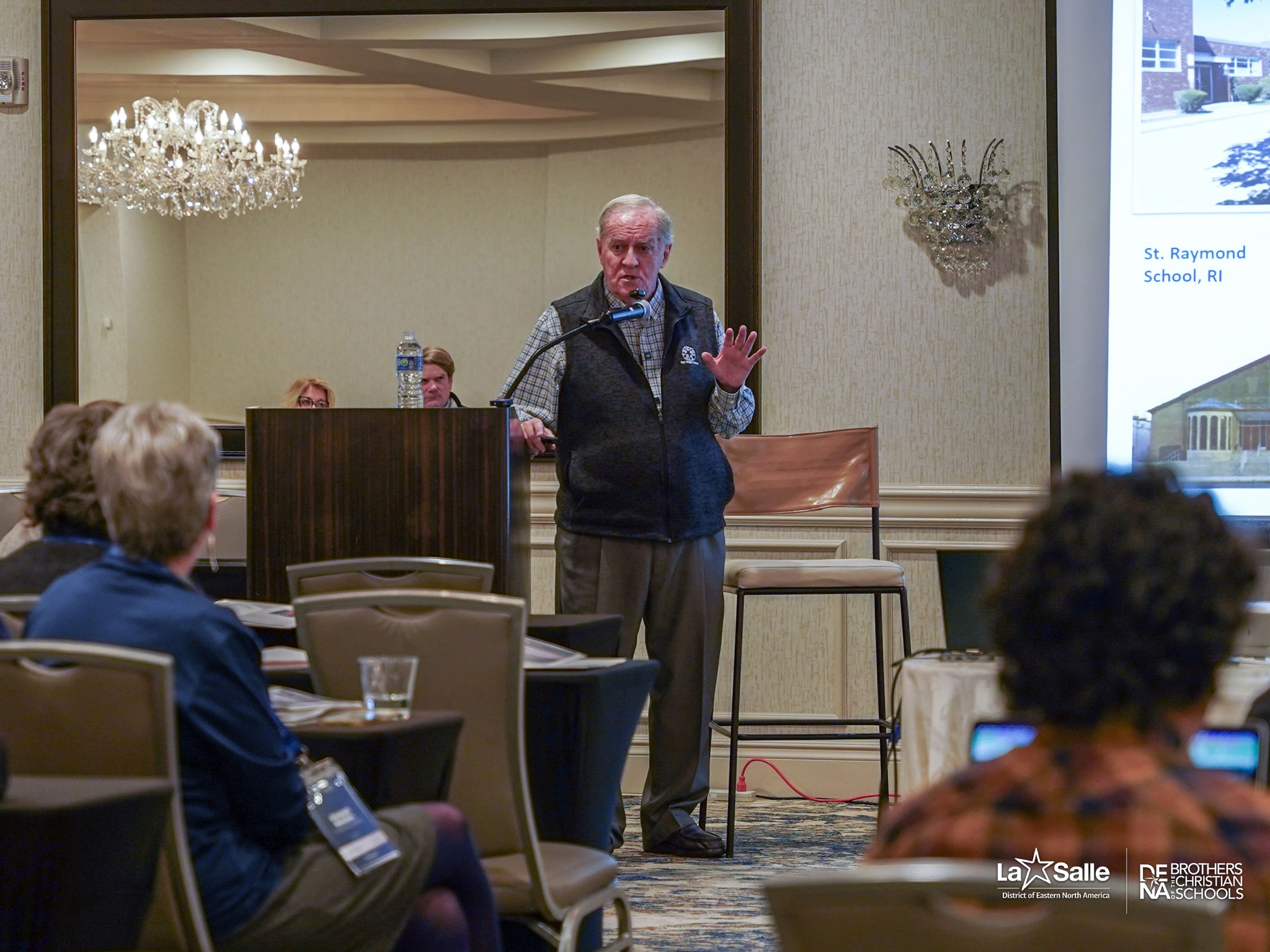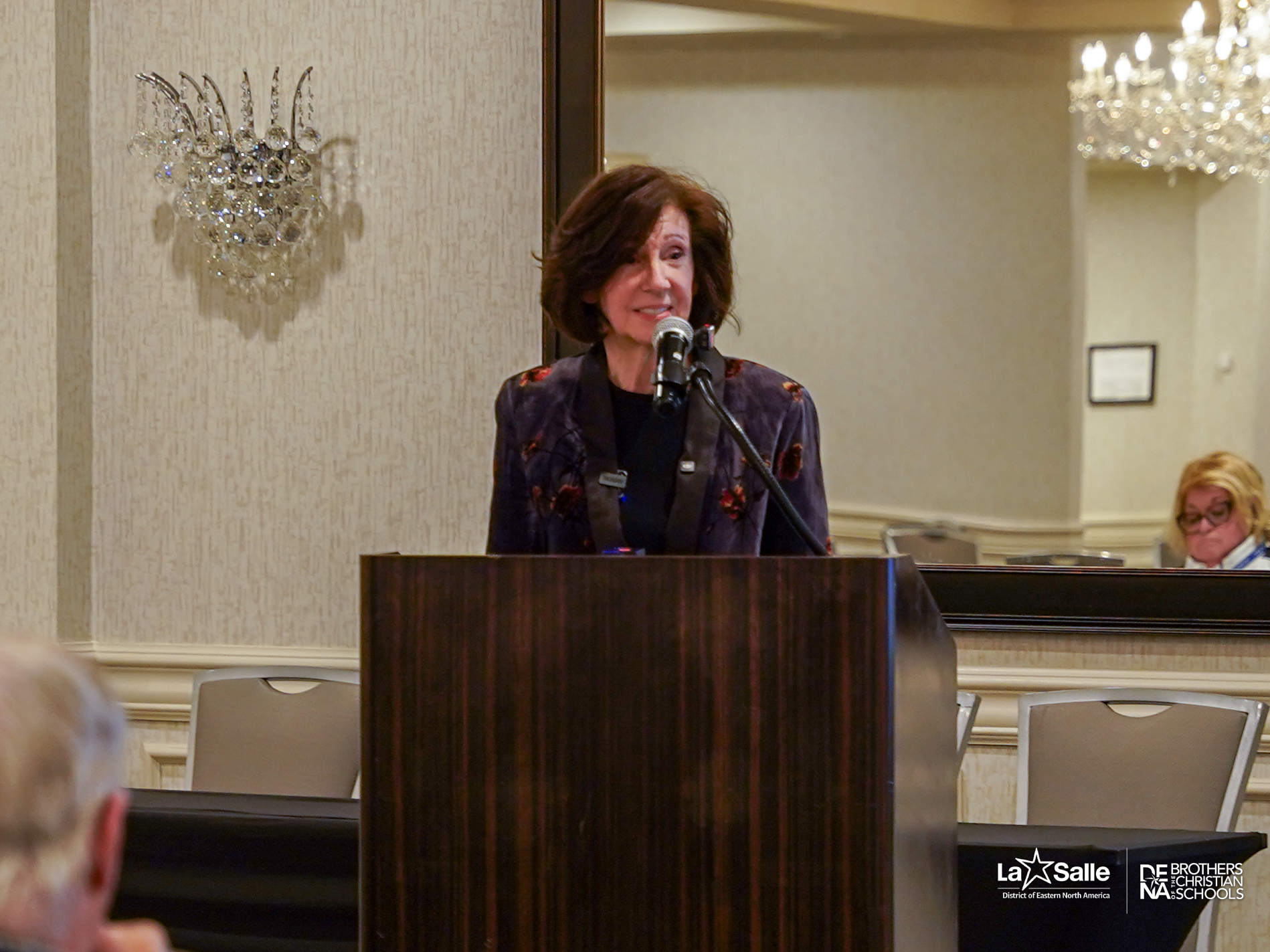
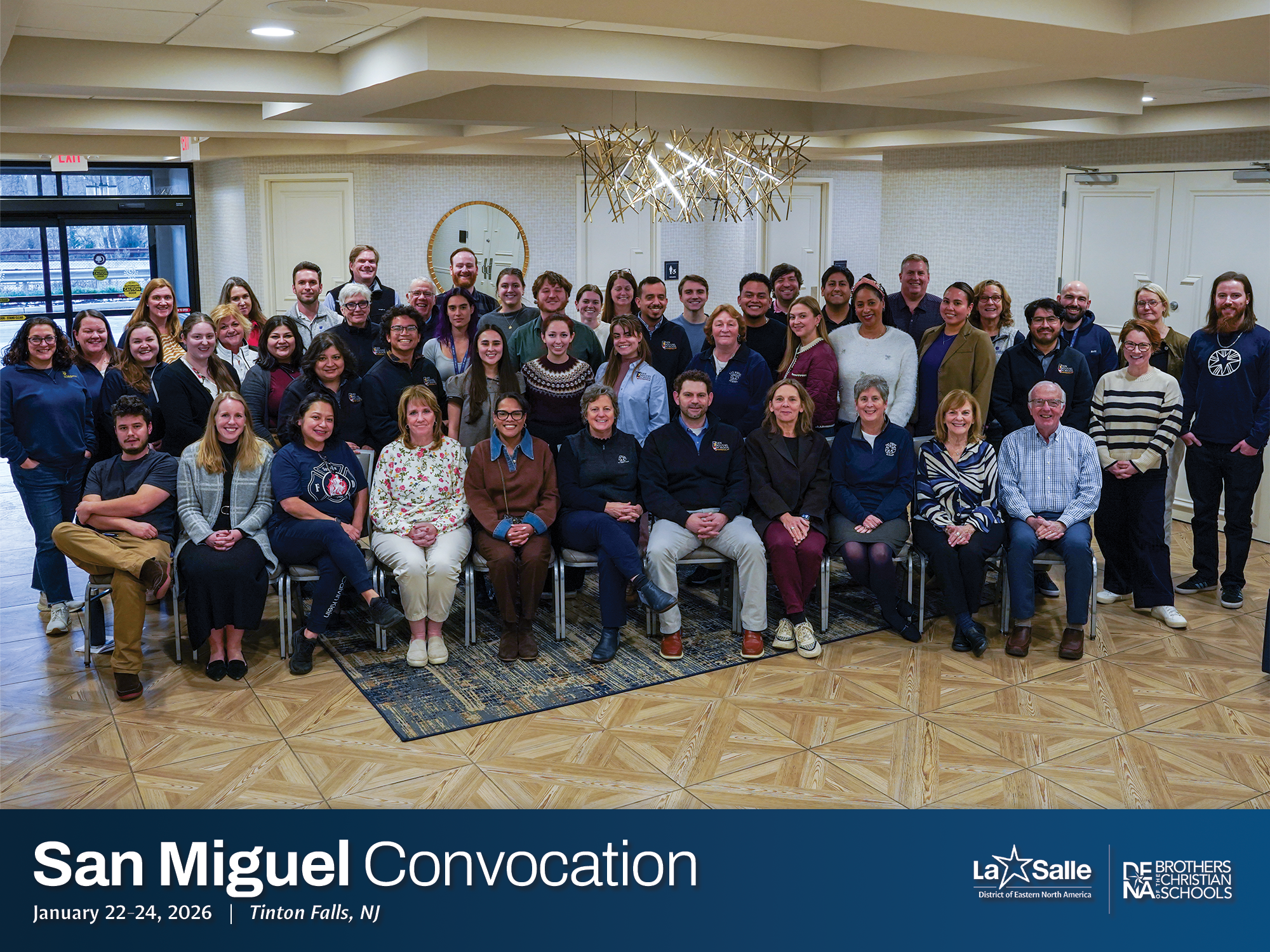
The San Miguel Network gathered educators, leaders, and mission partners for the 2026 San Miguel Network Convocation, a space for reflection, dialogue, and renewal of commitment to the Lasallian mission. Rooted in the realities of contemporary education and the lived experiences of young people, the gathering invited participants to reflect on what it means to be educators and witnesses of hope in a time marked by rapid change, uncertainty, and transition.
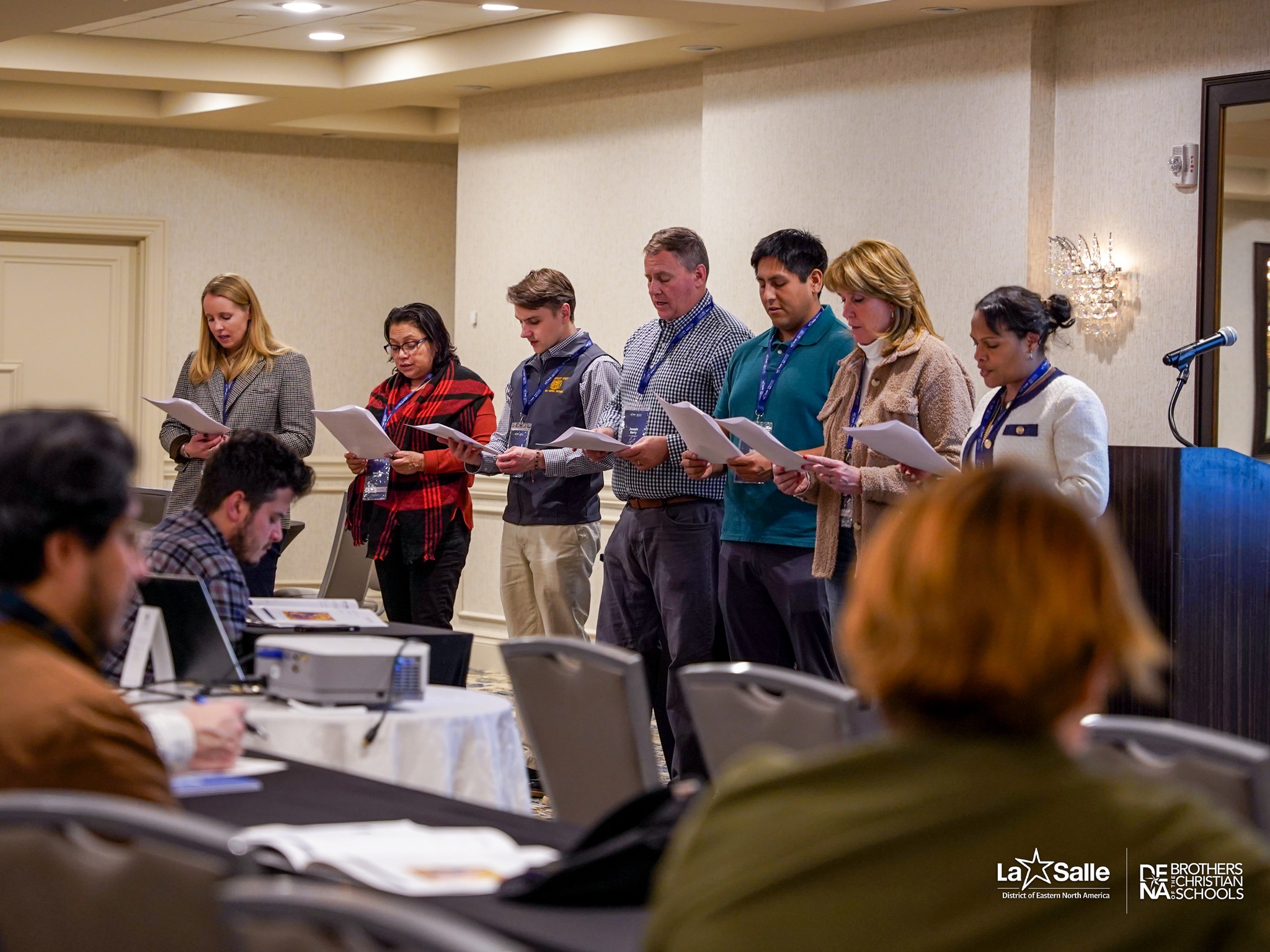
Throughout the Convocation, the sessions were intentionally connected rather than isolated presentations. While each speaker approached the theme from a distinct perspective, their topics were designed to complement one another and provide a shared framework for reflection on Lasallian mission, leadership, and human formation in contemporary education. In addition, the schools and ministries took turns leading the communal prayers across the days of the gathering, highlighting the collaborative spirit of the San Miguel Network and the shared responsibility of nurturing both academic and spiritual formation.
Grounding the Conversation in Lasallian History and Mission
One of the key reflections revisited the historical roots of the Institute of the Brothers of the Christian Schools. Drawing from Lasallian Studies and historical data from the late nineteenth century, the presentation emphasized that elementary education was at the heart of the original Lasallian mission. The Brothers’ priority was to serve children, particularly those from working-class and marginalized backgrounds, by providing education that enabled them to live well, participate in society, and grow in faith.
This historical perspective offered a powerful reminder of the significance of the work carried out in San Miguel schools today. While Lasallian schools across the world have evolved to include various levels and models of education, the fundamental commitment to children, especially those on the margins, remains central. The Miguel schools, in this sense, are not peripheral to the Lasallian mission but deeply connected to its origins and identity.
The reflection also highlighted a defining characteristic of the early Brothers: their constant commitment to renewal. Rather than remaining static, they continually updated their pedagogical approaches to respond to the emerging educational, social, and spiritual needs of the children entrusted to their care. This dynamic spirit of adaptation continues to challenge Lasallian educators today.
Educating in an “Interim Time”
A central theme of the Convocation was the notion of an “interim time”, a period in which the old ways are no longer sufficient and the new realities are still unfolding. Drawing from poetry, theology, and contemporary social analysis, the reflection explored how educators today are navigating a world shaped by mental health crises among youth, technological disruption, social polarization, and global uncertainty.
Research on Generation Z was cited to emphasize the urgency of this moment, noting that a significant number of young people report struggles with mental health and well-being. In this context, courage was presented not as mere optimism but as a necessary virtue that enables educators to accompany young people with hope, resilience, and compassion.
The Convocation invited participants to see this interim time not only as a challenge but as an opportunity, a call to reimagine education, mission, and community in ways that respond more deeply to the realities of students’ lives.
Lasallian Pedagogy and Mystical Realism
The reflection on Lasallian pedagogy introduced the concept of “mystical realism,” a core dimension of De La Salle’s spiritual and educational vision. Mystical realism calls educators to hold together two realities: the mystery of God’s presence and the concrete realities of daily life. It invites Lasallian communities to read the signs of the times with faith while remaining grounded in the lived experiences of students and communities.
Key elements of the original Christian Schools were revisited, including order and focus, appropriate curriculum, a community of competent teachers, Gospel values, effective pedagogy, and love for students. Participants were invited to recognize how these elements continue to shape the identity of Miguel schools today, not as separate components but as interconnected dimensions of a holistic educational mission.
The Convocation also emphasized the importance of an emancipatory and liberatory education, one that empowers students with agency, freedom, and the capacity to live well. Education, in this vision, is not limited to academic achievement but extends to personal, social, and spiritual formation.
Constructing New Pedagogies for the 21st Century
A recurring question throughout the Convocation was how Lasallian communities can construct new pedagogies for the twenty-first century while remaining faithful to their heritage. Participants reflected on contemporary issues such as artificial intelligence, cultural diversity, and shifting social expectations, recognizing that Lasallian schools must continually discern how to integrate innovation with core values.
The example of Saint Miguel Febres Cordero was highlighted as a model of intellectual rigor and deep commitment to faith formation. As a scholar, teacher, and catechist, Miguel embodied the integration of academic excellence and religious education, reminding participants that Lasallian schools are called to be spaces where faith, reason, and culture are in dialogue.
The Convocation reaffirmed that Lasallian education is not merely about preparing students for academic success but about forming persons capable of contributing meaningfully to society and living according to values rooted in justice, compassion, and faith.
The Reign of God as the Horizon of Education
Drawing from theological reflection, the Convocation emphasized that the reign of God remains the ultimate horizon guiding Lasallian education. This vision challenges educators to look beyond metrics of success and institutional achievements toward a deeper understanding of what it means to help students live well, be well, and do well.
The reflection recalled De La Salle’s insistence that the whole school must be directed toward this broader purpose. Every member of the school community: teachers, administrators, staff, and leaders, is called to be a mission leader, contributing to an environment where students can flourish academically, socially, and spiritually.
Moving Forward Together
As the Convocation concluded, participants were invited to carry forward a renewed sense of purpose and responsibility. In a time of uncertainty and transition, the San Miguel Network continues to stand as a sign of courageous hope, rooted in Lasallian tradition, attentive to the realities of young people, and committed to shaping educational communities that respond with faith, creativity, and compassion.
The gathering reaffirmed that Lasallian education is not static but dynamic, not isolated but communal, and not merely instructional but transformative. In the midst of an interim time, the San Miguel Network continues to walk with young people, educators, and communities, seeking to witness to hope and to the enduring vision of Saint John Baptist de La Salle.